How Much Does an Industrial Truck Scale Cost? 2026 Comprehensive B2B Procurement, Pricing & Investment ROI Guide
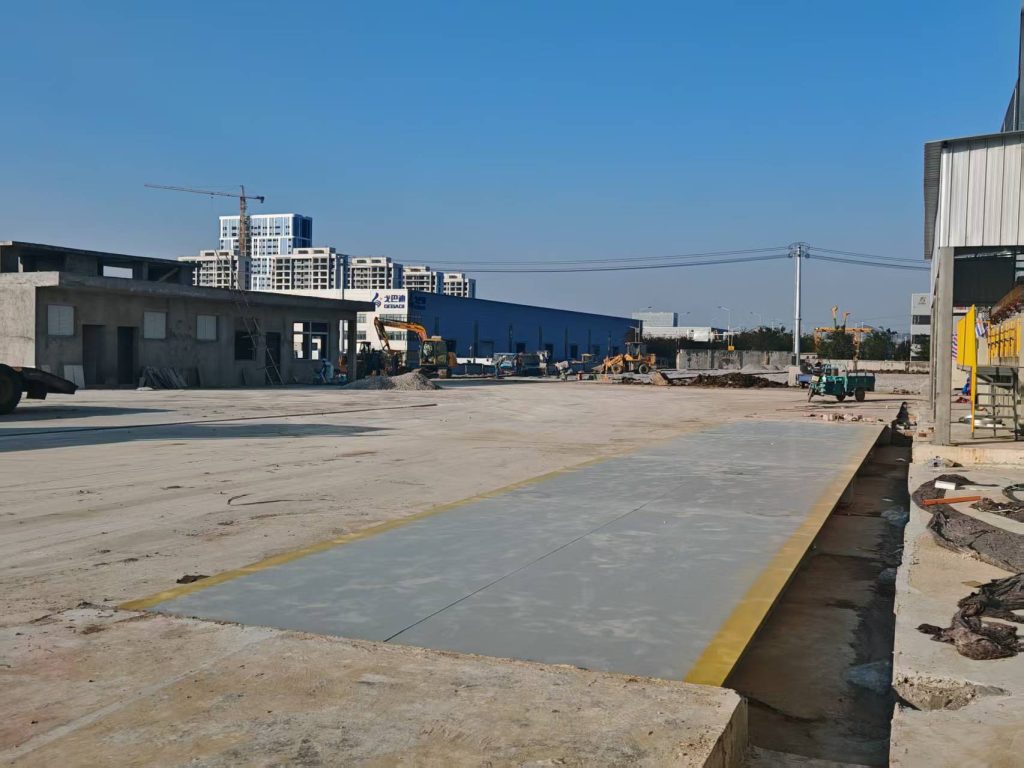
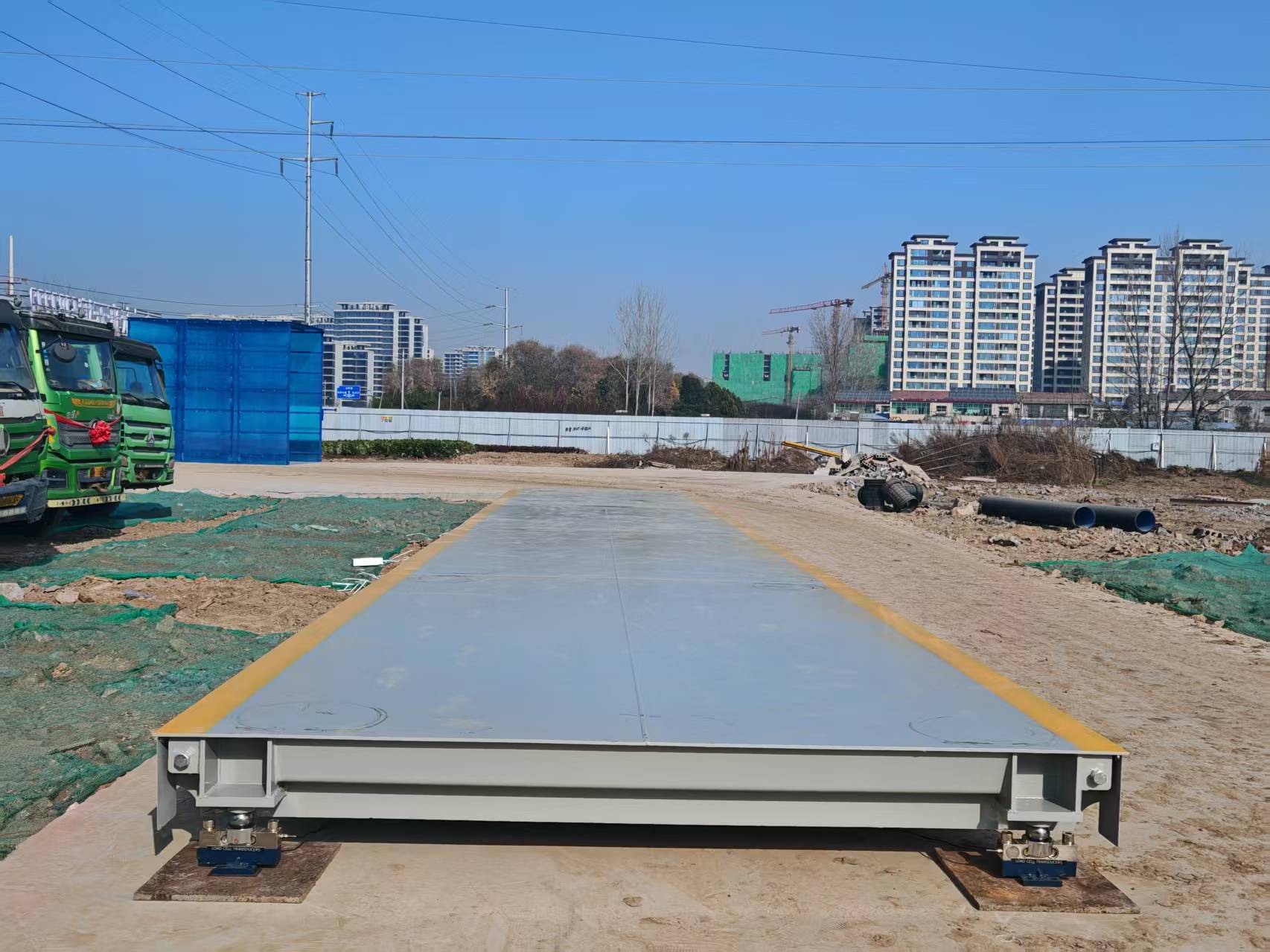
When procurement committees review capital expenditure requests for heavy-duty weighing infrastructure, the focus often centers exclusively on the initial sticker price of the steel deck or concrete weighbridge. However, a realistic financial assessment must incorporate site preparation, civil works, electrical wiring, and heavy-duty freight logistics. Surface-mounted (pitless) models generally reduce upfront civil construction costs by eliminating deep concrete excavation, whereas pit-type installations require precise drainage engineering to protect underlying load cells from water accumulation.
Key Cost Drivers in Commercial Weighbridge Procurement
Understanding the variables that influence the total capital outlay helps facility directors allocate budgets accurately. Below are the primary cost components:
1. Platform Dimensions and Tonnage Capacity
Standard 18-meter, 100-ton configurations designed for full-size semi-trucks carry different pricing tiers compared to specialized heavy-industrial or multi-axle platforms used in mining and quarrying applications.
2. Structural Material Quality and Deck Design
High-grade U-type steel beams, orthotropic stiffeners, and anti-corrosion epoxy coatings increase the initial investment but dramatically extend operational lifespan in corrosive or high-moisture environments.
3. Digital Components and Anti-Fraud Systems
Advanced digital load cells, lightning protection kits, automated license plate recognition (ALPR) cameras, and anti-cheat weight terminals add value by preventing revenue leakage and reducing ongoing service interventions.
4. Synergy with Loading Dock Infrastructure
Ensuring proper alignment with adjacent loading dock equipment, warehouse staging zones, and high-speed industrial doors prevents bottlenecks during high-frequency material transfers and freight dispatching.
Calculating Long-Term Return on Investment (ROI)
A precision truck scale serves as a financial gatekeeper for your industrial facility. By eliminating over-loading fines, preventing raw material inventory discrepancies, and speeding up truck turnaround times at the shipping and receiving bays, a reliable weighbridge typically achieves full capital payback within 12 to 18 months of continuous commercial operation.